Page 2 - Monthly Archives: May 2025
-
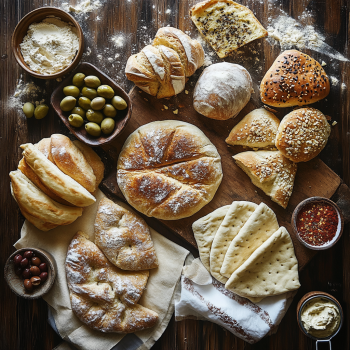
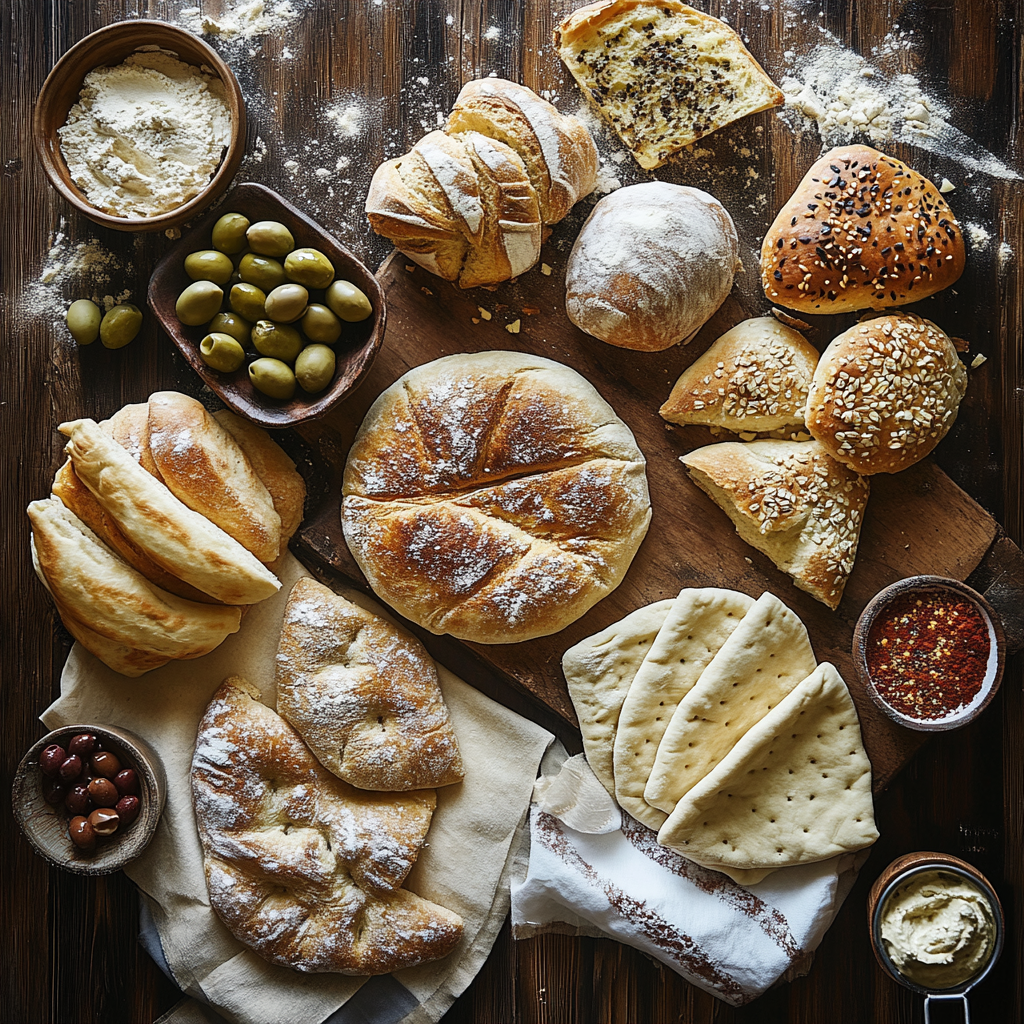
May 15, 2025Every Mediterranean table begins with bread. And, not just as food—but as ritual.In Greece, warm pita scoops up dips and stews. In Sardinia, paper-thin pane carasau snaps like parchment beneath cheese. In Morocco, round khobz is baked in clay and torn by hand.Each region’s bread tells a story of geography, tradition, and family.No two are the same, but all are shared—from hand to hand, table to table.
-
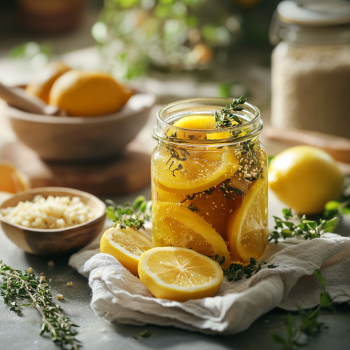
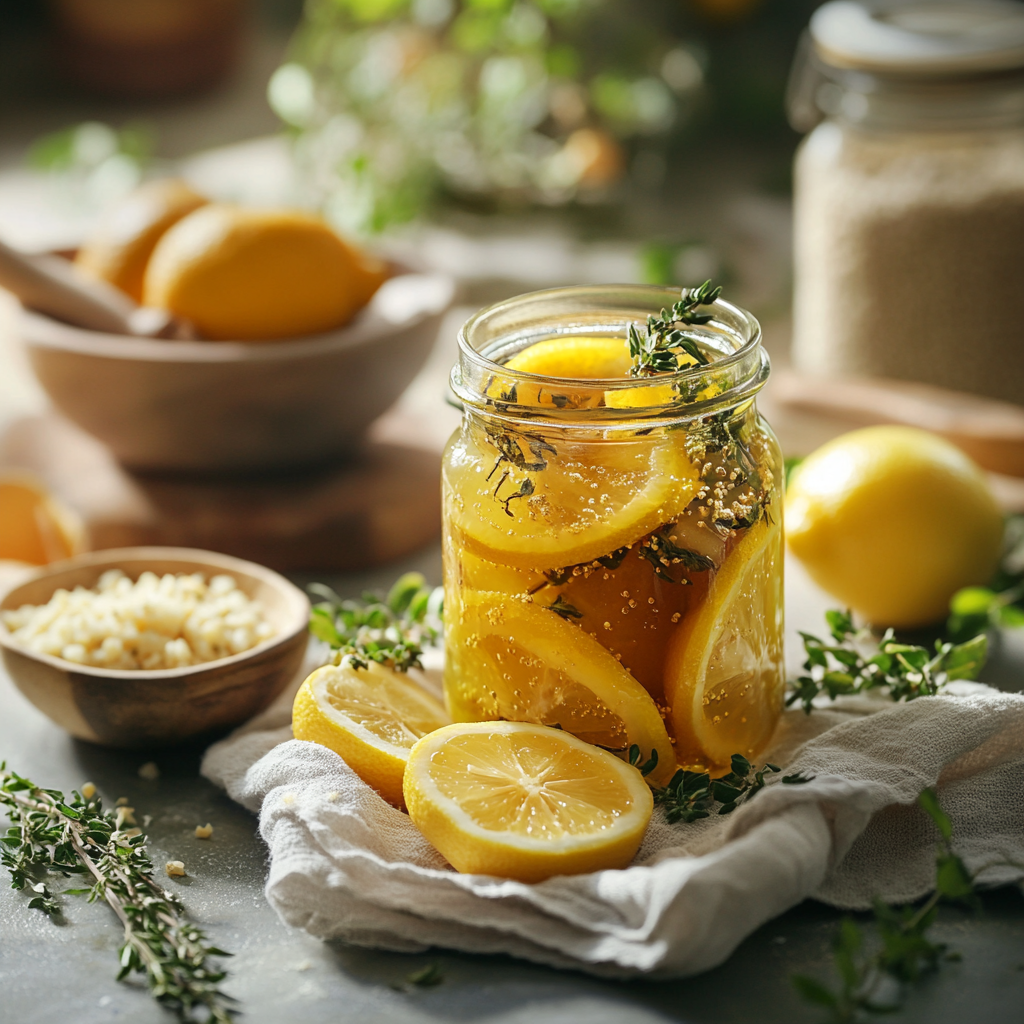
May 15, 2025They’re salty, tangy, funky—and once you start using them, you’ll never stop.Preserved lemons are a North African secret that bring depth to almost anything:
• Finely chop them into couscous or pasta
• Stir into salad dressings with garlic and mint
• Blend with yogurt for a punchy dip
They’re not just citrus. They’re umami.
Keep a jar nearby. You’ll thank us later.
-
May 12, 2025
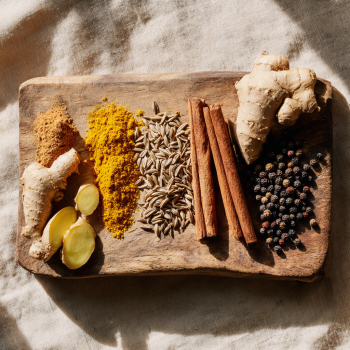
The Mediterranean pantry isn’t just flavorful—it’s medicinal. Rich in anti-inflammatory spices, the region’s cuisine naturally supports longevity, heart health, and immune resilience.
Here are 5 powerful spices and how to use them:
TURMERIC
(often found in fusion North African blends):
Add to rice dishes, lentils, or golden milk.GINGER:
Infuse teas, mix into sauces, or shave fresh over roasted veggies.CINNAMON:
A staple in sweet and savory dishes—from Moroccan tagines to Greek desserts.CUMIN:
Enhances everything from beans to roasted meats. Toast it for deeper flavor.BLACK PEPPER:
Not just seasoning—it boosts the bioavailability of turmeric.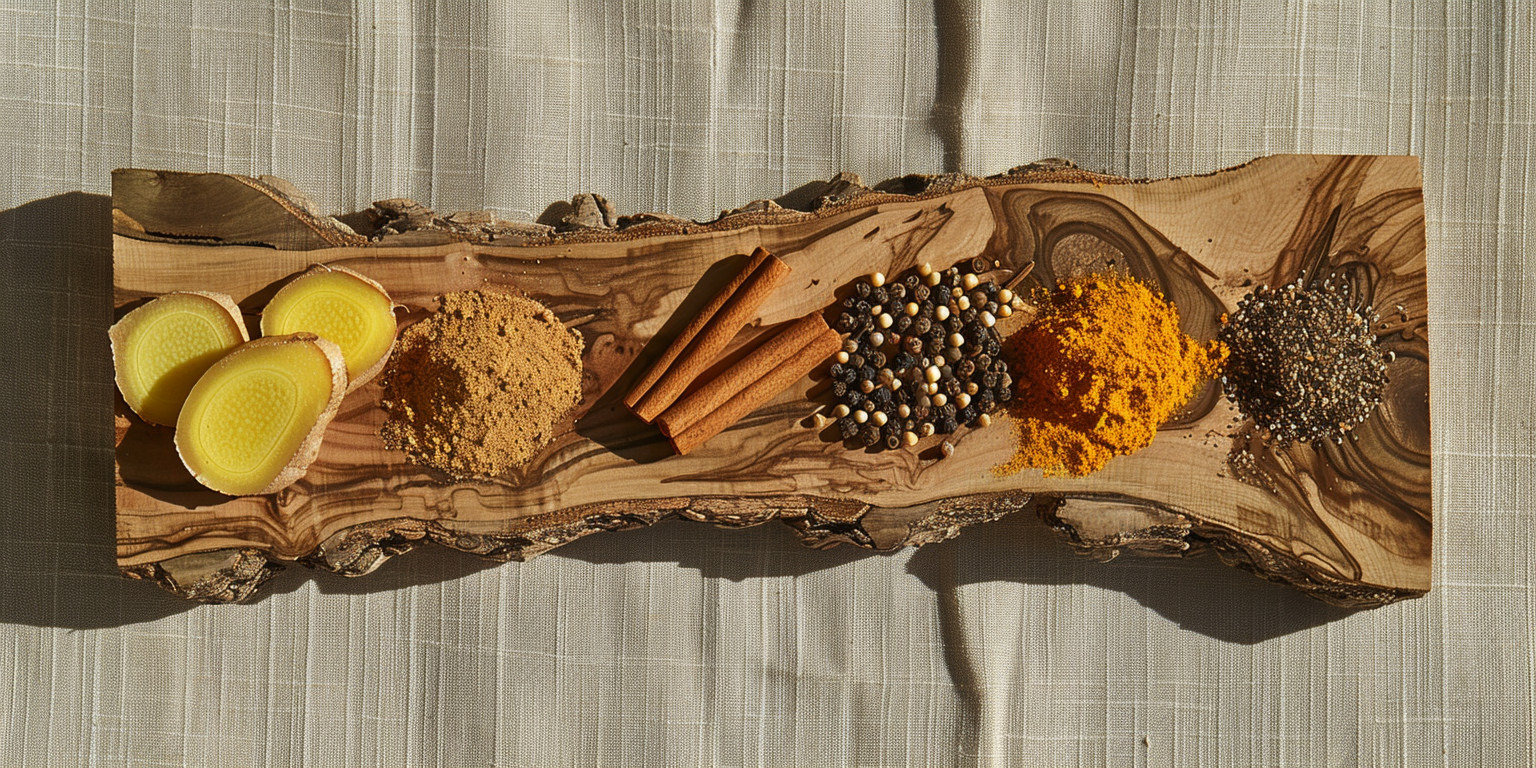
-
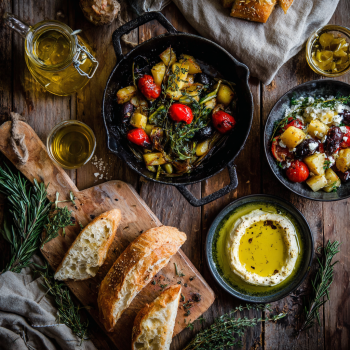
May 12, 2025Not all olive oil is created equal. From sautéing vegetables to finishing a grilled fish, choosing the right type makes a difference in both taste and nutrition.For Cooking:
Use light olive oil—it has a higher smoke point and neutral taste.For Finishing:
Go for extra virgin. Drizzle it over hummus, roasted potatoes, or grilled bread.For Dressings:
Choose a medium-bodied oil, often from Crete or Southern Italy, with balanced fruitiness.For Dipping:
Opt for bold, peppery oils—often found in early harvest bottles.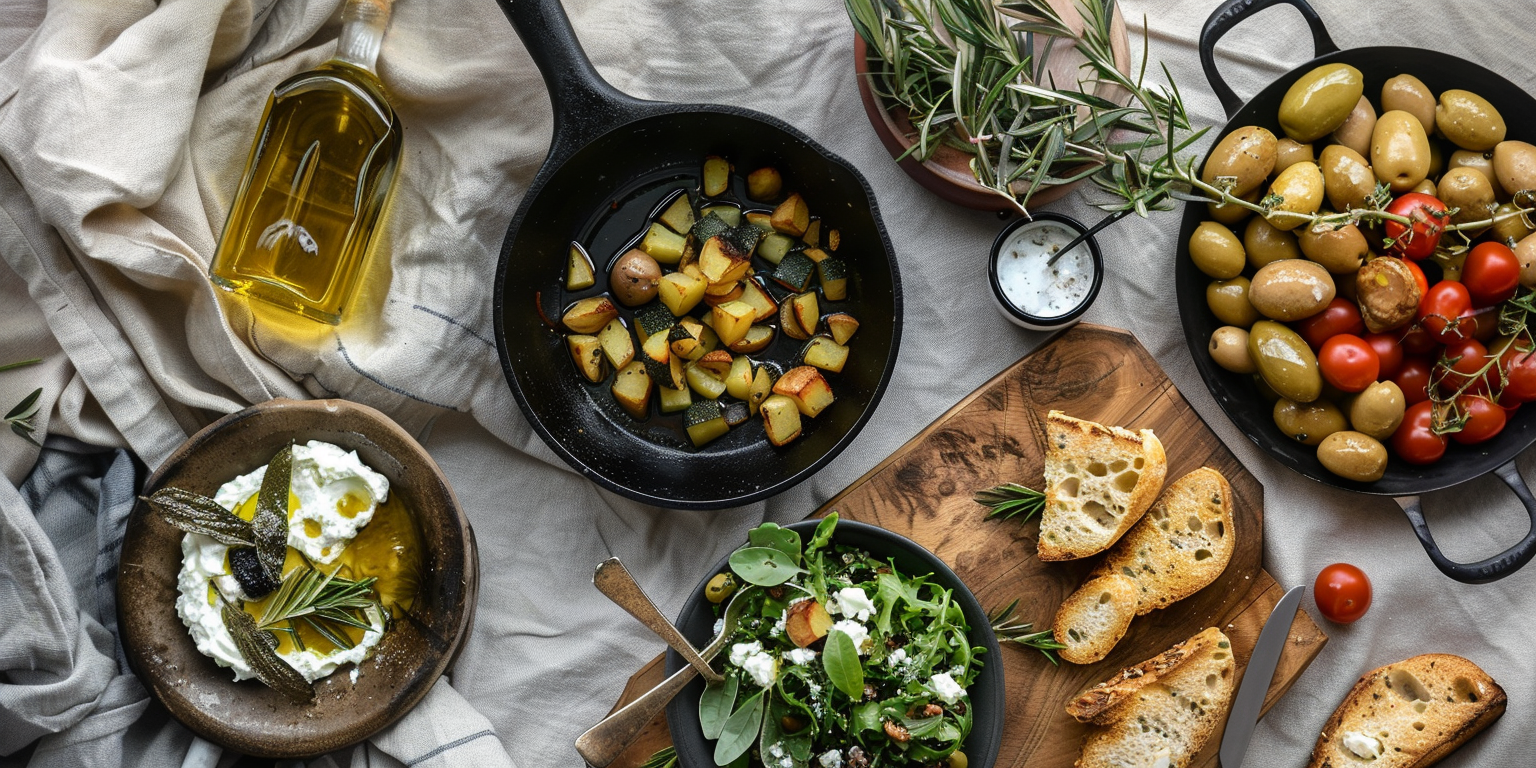
-
May 08, 2025
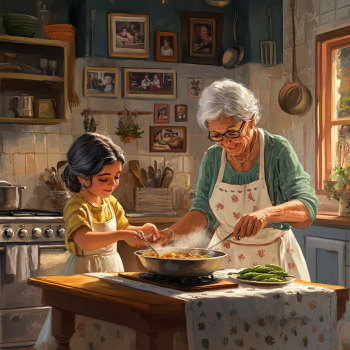
In the kitchens of immigrant homes, heritage is kept in simmering pots and spice jars. Mediterranean families in the U.S. pass down more than recipes—they preserve identity. Every dish is a thread in the fabric of memory.
Making hummus with your grandmother, learning to roll grape leaves from your aunt, frying cod fritters the way your father used to. These are not just meals—they’re monuments to history.
At CaptainGreek, we’ve seen how food builds bridges. Diaspora communities share meals at church festivals, family reunions, and neighborhood cookouts. A simple spanakopita becomes a story. A preserved lemon becomes a passport.
In a world that moves fast, Mediterranean cooking slows us down. It reminds us of where we come from—and where we’re going. Because every time we cook with care, we say: this matters.
This is who we are.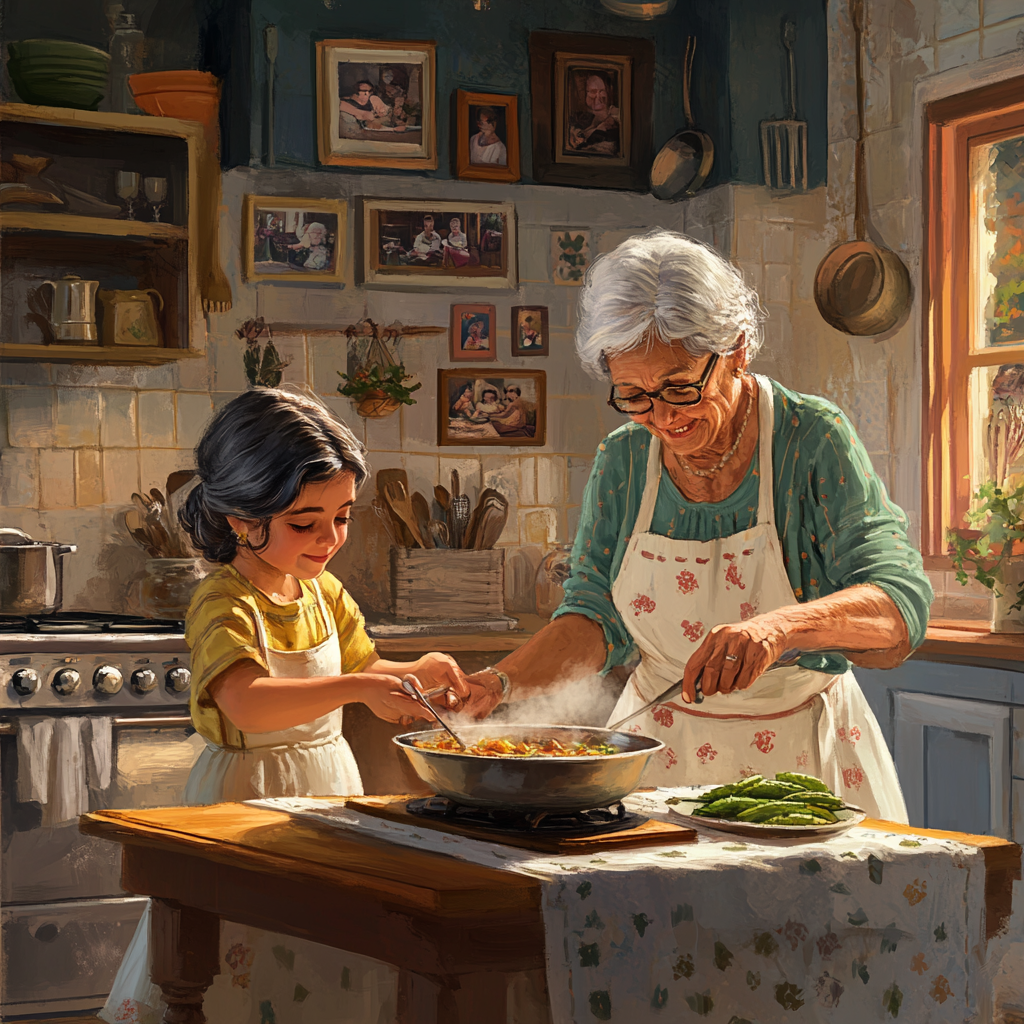
-
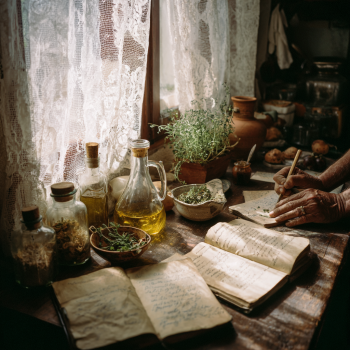
May 07, 2025There’s something sacred about the recipes that don’t live in books, but in memory. Passed from hand to hand, whispered from grandmother to granddaughter, these are the dishes that carry time within them. Whether it’s the careful folding of filo dough, the patient roasting of lamb with rosemary and garlic, or the stirring of a stew seasoned by instinct, heirloom recipes are cultural time capsules.
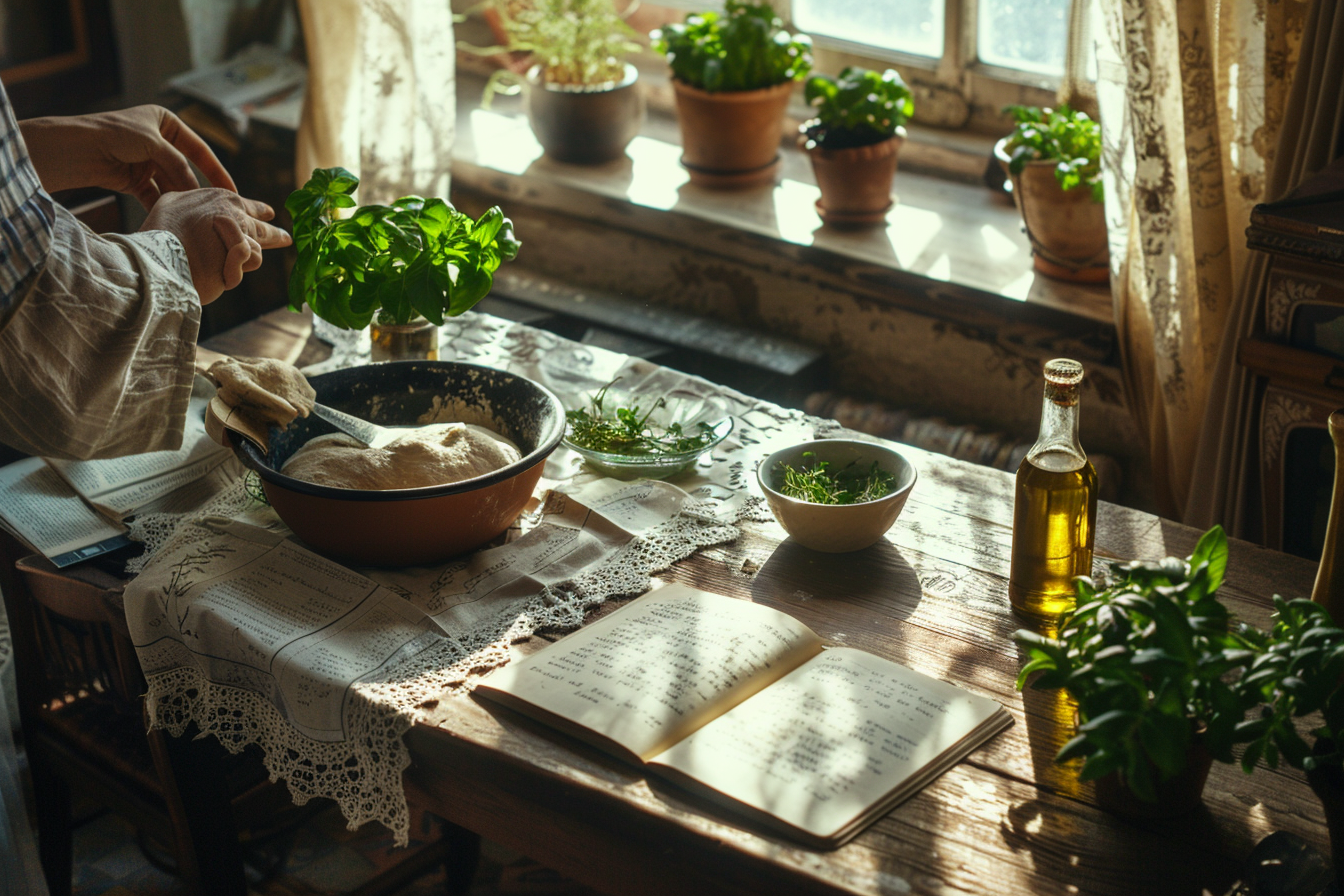 In the Mediterranean, food isn’tjust about flavor—it’s about belonging. These recipes are often undocumented, measured by handfuls and heart, and rooted in a sense of place and family. At CaptainGreek, we celebrate these culinary heirlooms because they are more than meals—they’re the memory keepers of a people.