


Blog
-
June 23, 2025
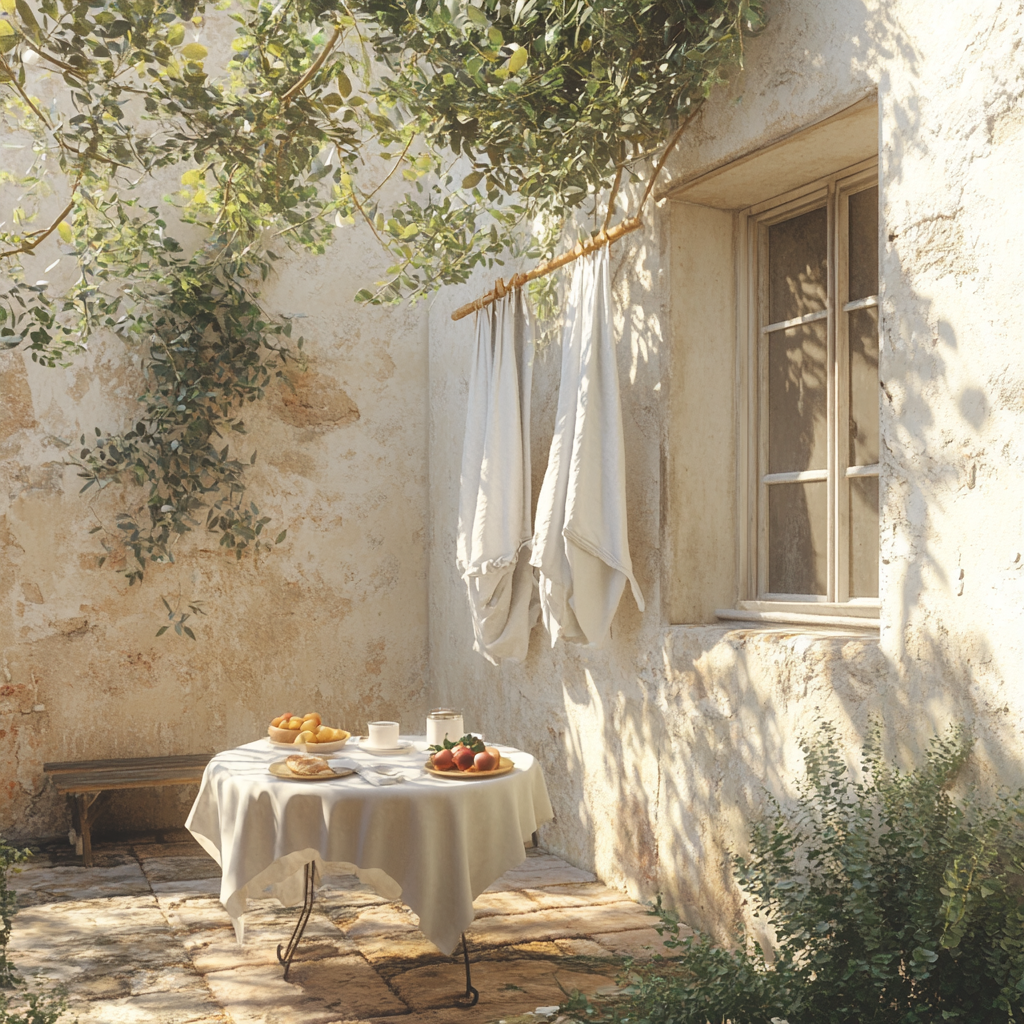
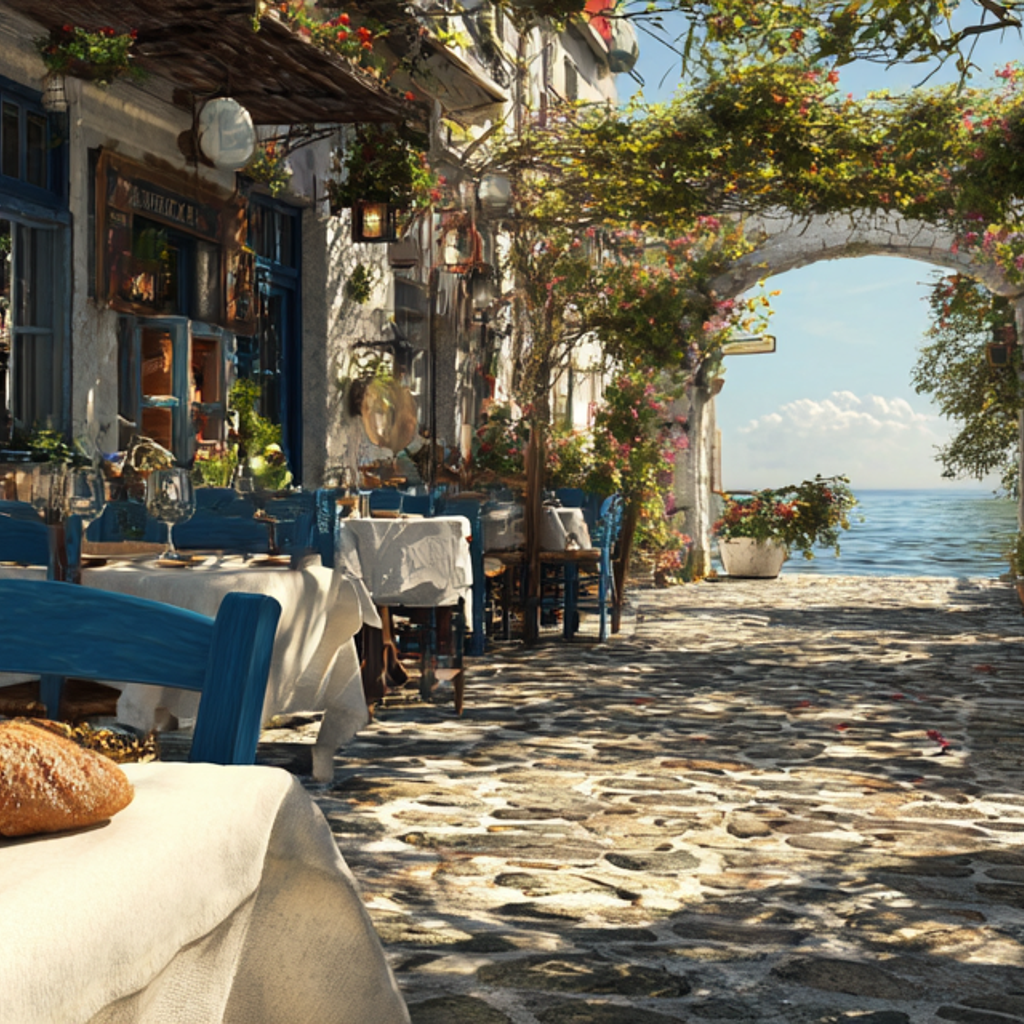
There’s something unspoken about a taverna table.You don’t rush. You don’t plan. You arrive, and time slows.White tablecloths stained by wine and olive oil. Old men playing backgammon. Kids weaving between chairs.In the Greek islands, Cyprus, and coastal Turkey, these tables are more than a place to eat—they’re cultural landmarks.They hold birthdays, arguments, political debates, and Sunday traditions.Even when empty, they feel full—of music, memory, and meaning.That’s what we recreate when we eat outdoors, with mezze and laughter and lingering forks.It’s not just a table. It’s a portal. -
May 23, 2025
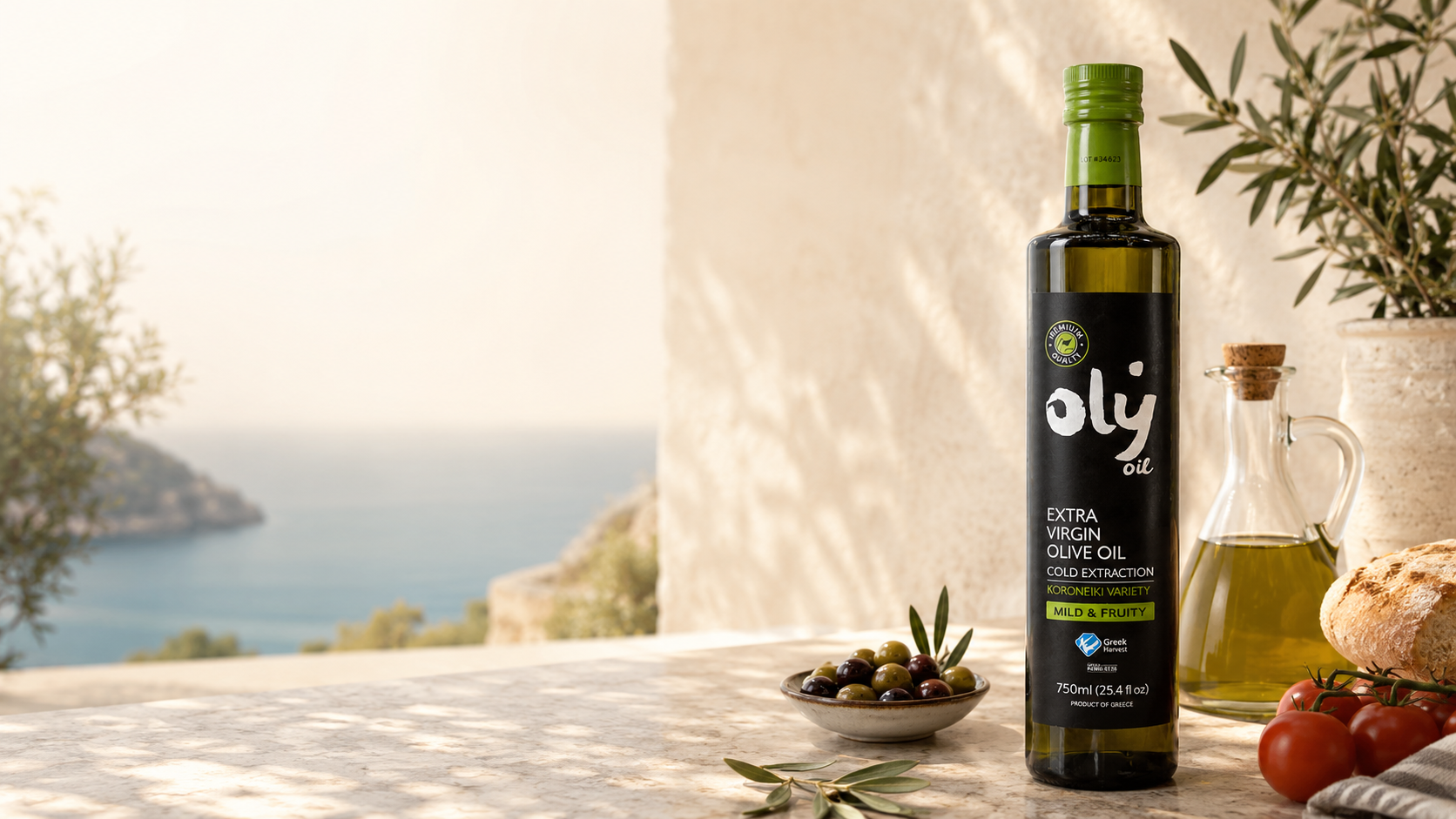
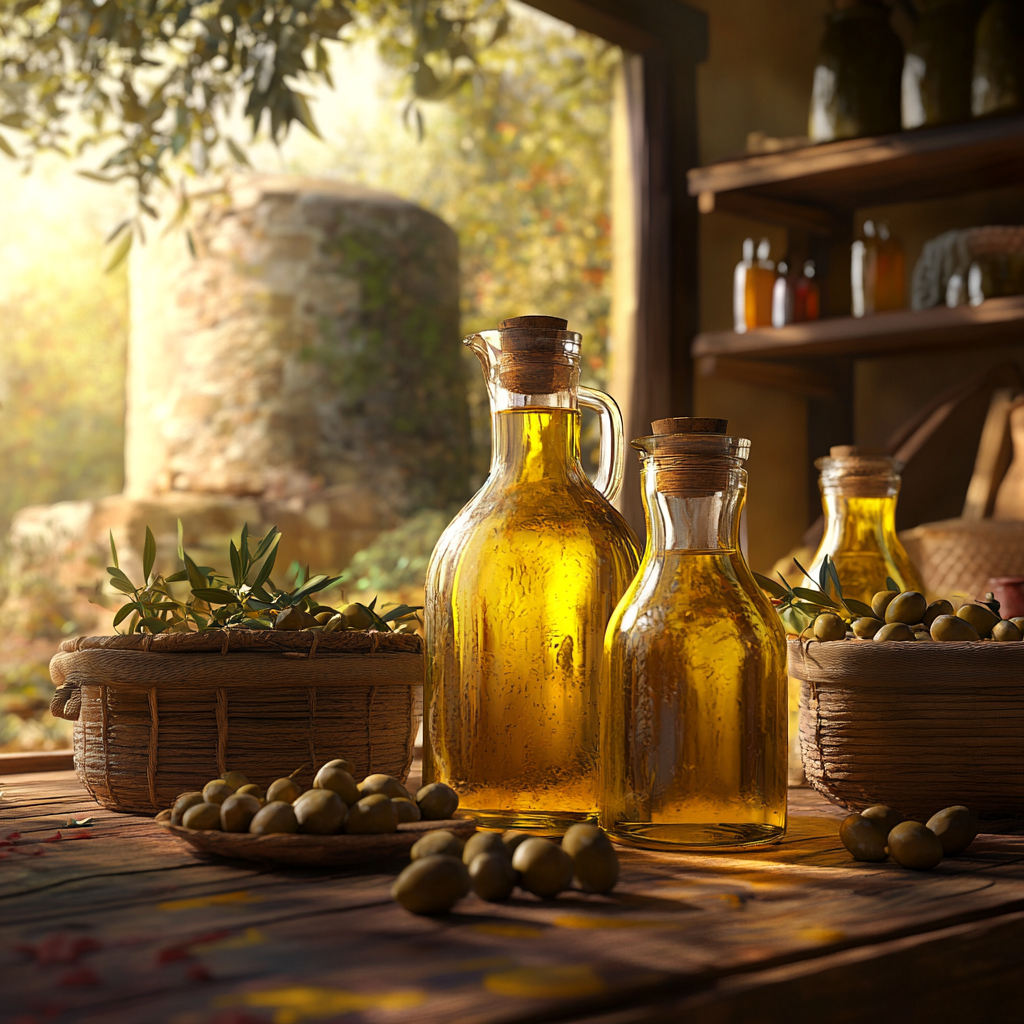
Greek olive oil isn’t just an ingredient—it’s a national treasure. Harvested from trees that have stood for centuries, this golden liquid carries a distinct character. Rich, slightly peppery, and endlessly smooth, Greek olive oil is cold-pressed with centuries-old methods that respect both the land and the fruit.
Its uniqueness lies in the soil, the sun, and the devotion of those who harvest it. Koroneiki olives, known for their high antioxidant content, give the oil its distinctive depth and nutritional richness. From drizzling on grilled vegetables to using it as a base for marinades, Greek olive oil elevates every dish it touches.
But it’s not just the flavor that sets it apart—it’s the philosophy behind it. Greek olive oil isn’t rushed. It’s harvested by hand, often by families who have tended the same trees for generations. It’s stored with care, bottled with pride, and treated less like a pantry item and more like a legacy. In many Greek homes, the olive oil isn’t bought—it’s
-
May 15, 2025
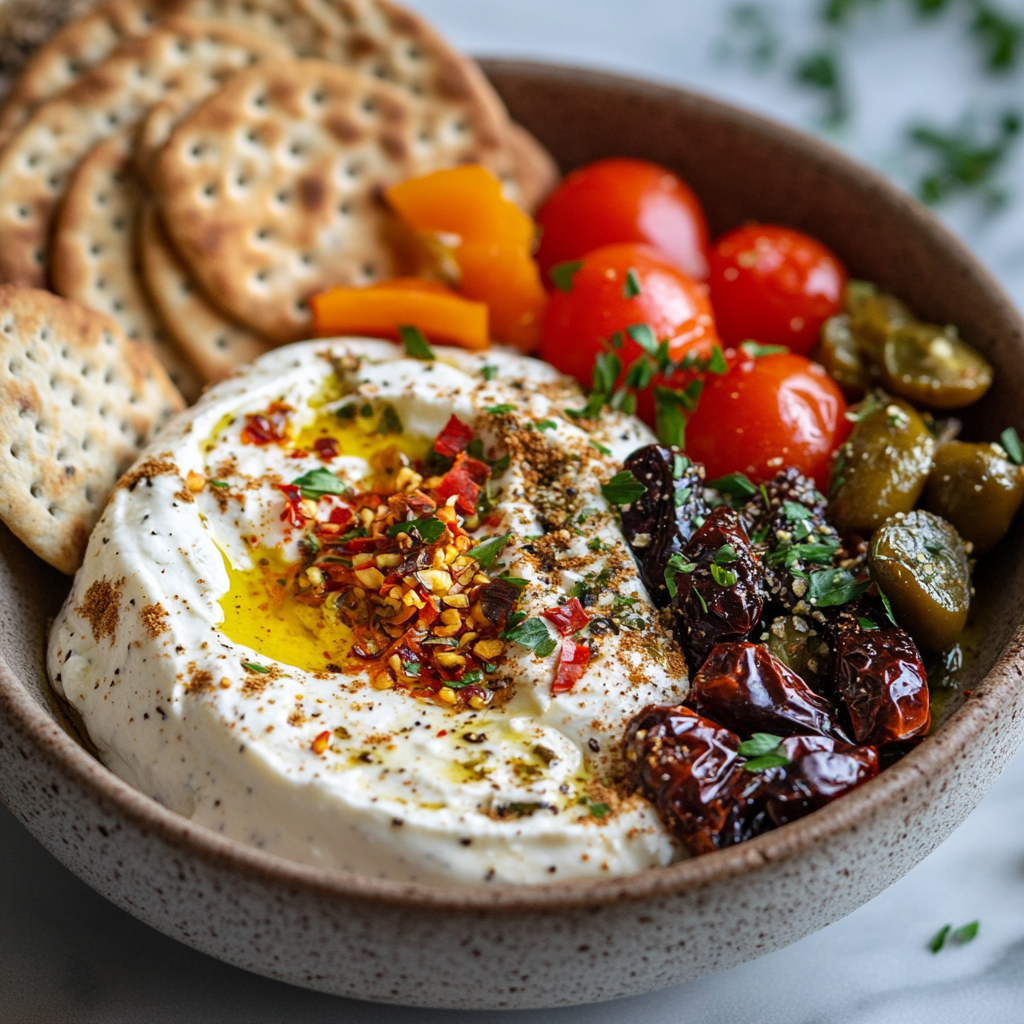
Creamy, tangy, and endlessly versatile—labneh is the Greek yogurt of the Levant.
Soft Labneh: Use as a dip with za’atar and olive oil.
Strained Labneh Balls: Roll in herbs or Aleppo pepper and preserve in olive oil.
Spiced Labneh: Mix with garlic, lemon zest, or harissa for a bold sandwich spread.


Whether served at breakfast or as a mezze hero, labneh deserves a spotlight in your fridge.
-
May 15, 2025
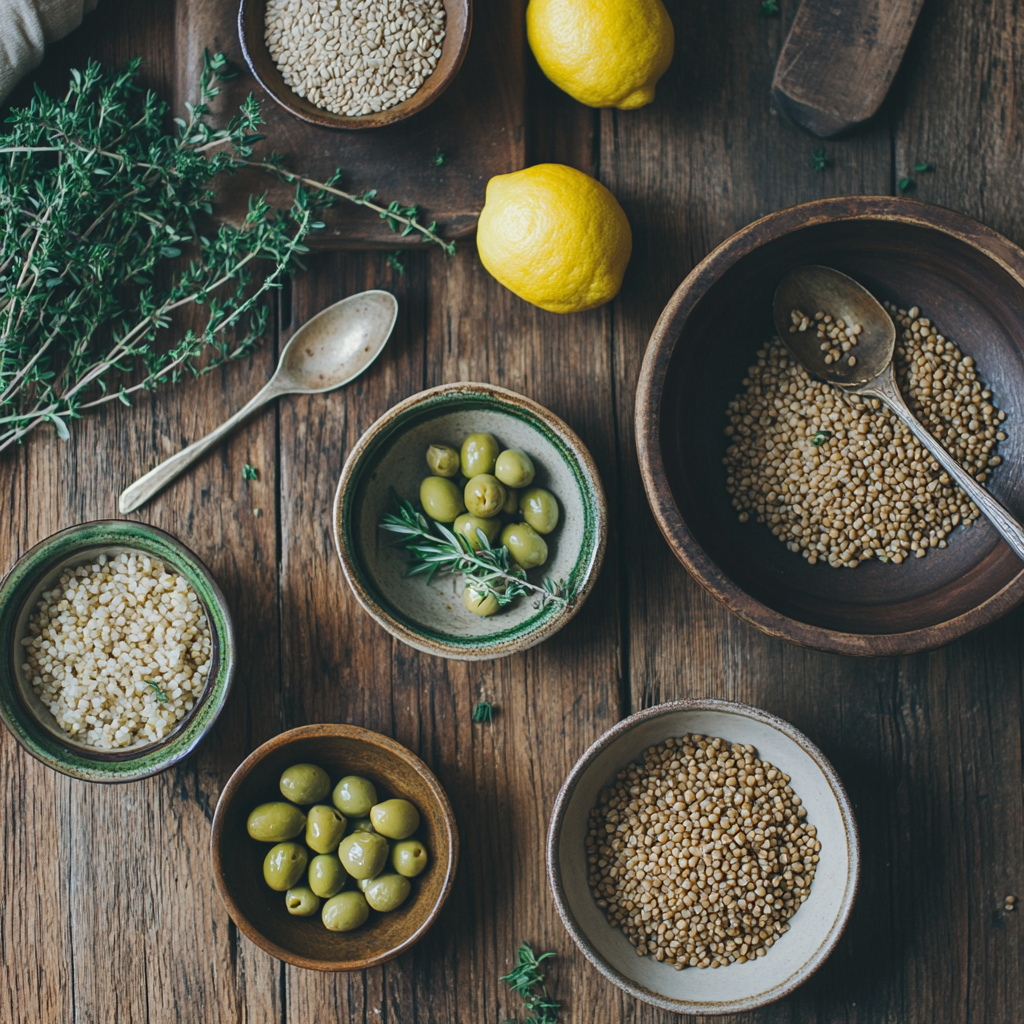
Long before quinoa became trendy, the Mediterranean had its own ancient grains—humble, hearty, and packed with nutrition. From smoky freekeh in Levantine stews to creamy barley risottos in Southern Italy, these grains tell a story of resilience and resourcefulness.
Today, chefs are rediscovering their power—not just for health, but for taste. Add farro to your salad, slow-cook freekeh with lamb, or simmer barley with fennel and citrus zest for a modern spin.
In the Mediterranean, grains weren’t side dishes. They were centerpieces.

-
May 15, 2025Mezze isn’t about perfection. It’s about pleasure.Start with a few anchors: hummus, labneh, olives. Add something warm—like grilled halloumi or lamb kofta. Balance it with raw: sliced cucumbers, cherry tomatoes, or pickled turnips.Don’t forget texture: warm pita, nuts, or roasted chickpeas. And always finish with a drizzle—olive oil, pomegranate molasses, or tahini.Mezze is meant to be torn, dipped, and shared. Not staged—lived.


-
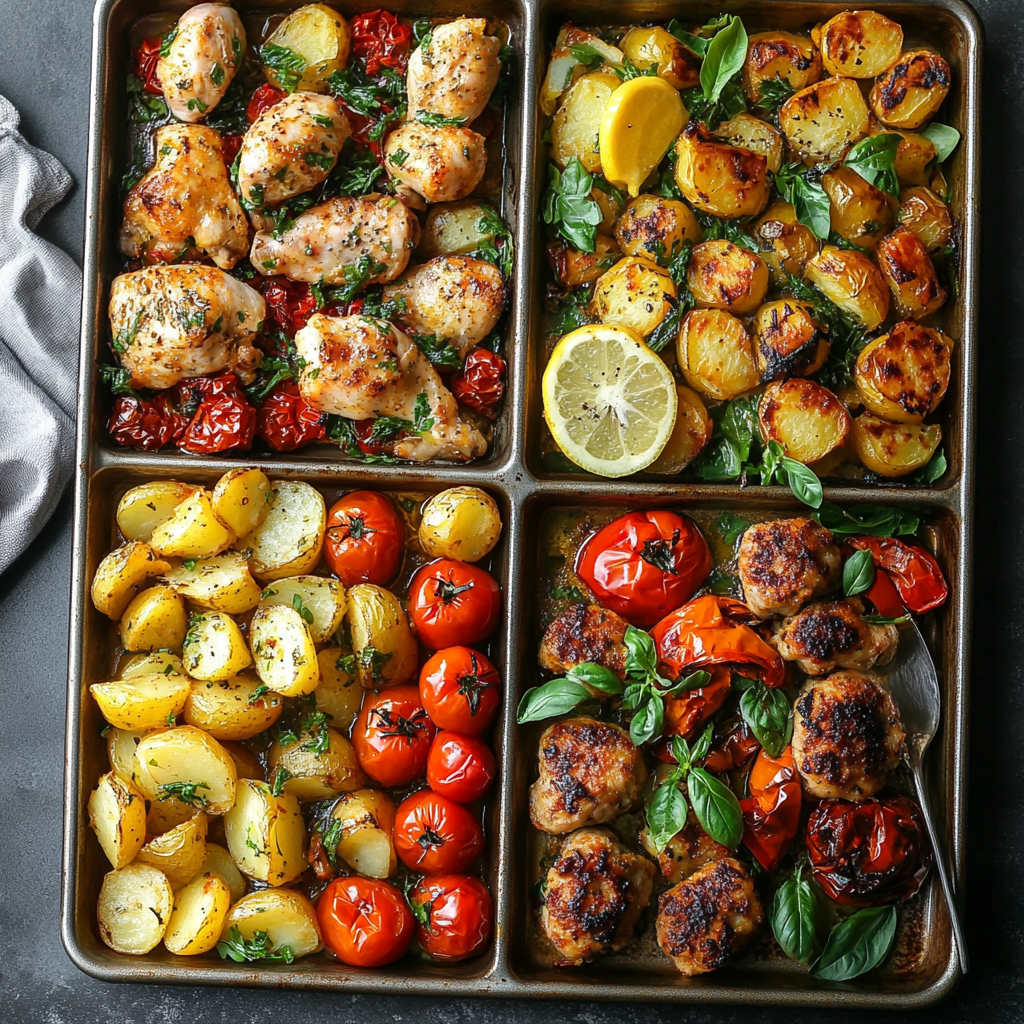
May 15, 2025The secret to Mediterranean meals isn’t complexity—it’s quality and simplicity. Sheet pan dinners are the modern answer to weekday fatigue, and the Med offers endless inspiration.Try roasted chicken thighs with oregano, lemon, and potatoes (Greek-style), or a seafood bake with cherry tomatoes, capers, and parsley (Sicilian twist). Add a North African option: spiced lamb meatballs with peppers and harissa drizzle.Bake once, eat well, and let the oven do the traveling.