


How to Use OLY Greek Olive Oil for Cooking, Finishing, and Mezze
Learn how to use OLY Greek Extra Virgin Olive Oil across everyday Mediterranean cooking, from salads and bread dipping to pasta, vegetables, fish, and simple mezze. This guide explains its mild fruity profile, Koroneiki olive bas…
How to Use OLY Greek Olive Oil for Cooking, Finishing, and Mezze
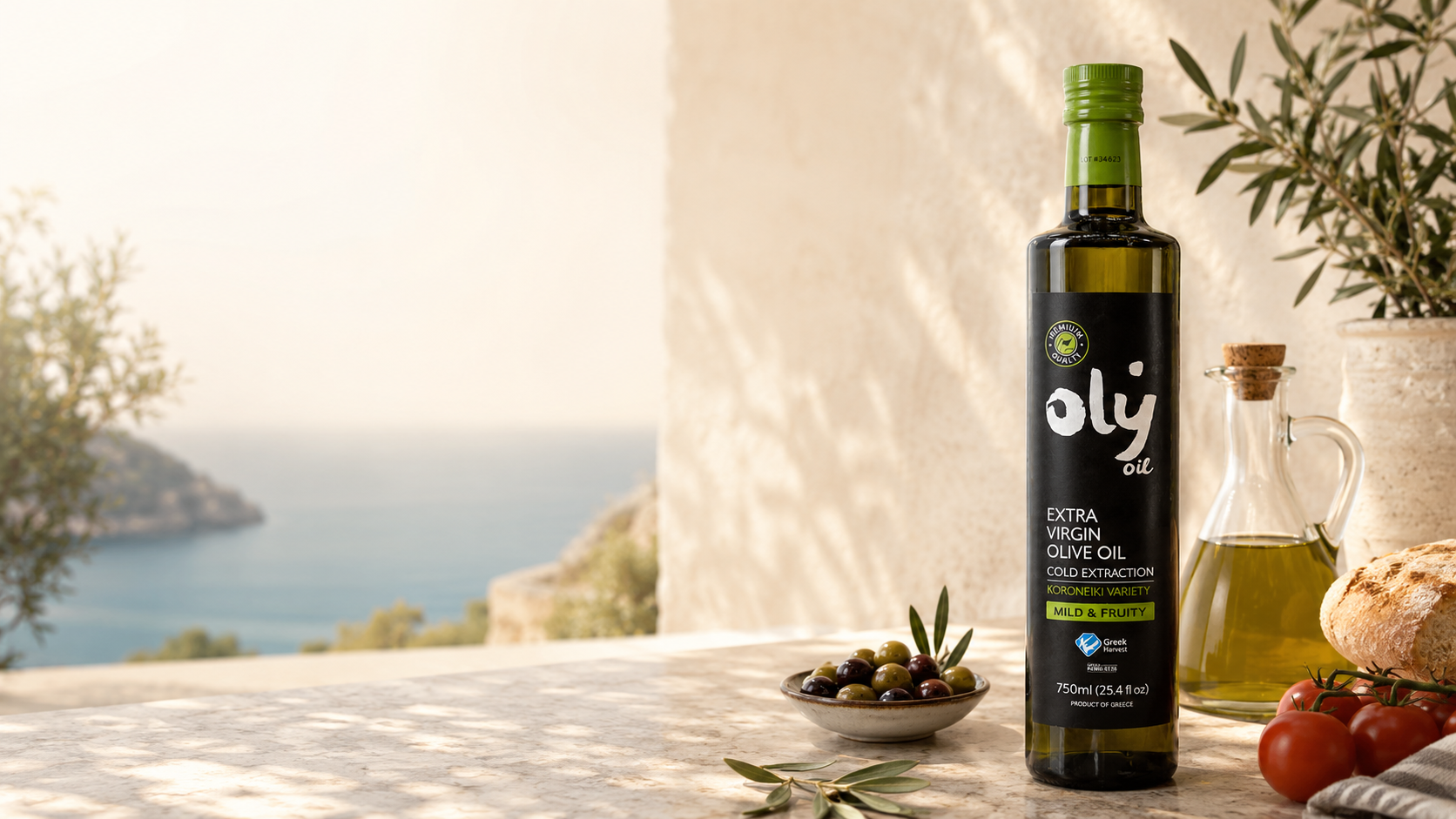
A good Greek olive oil should earn its place in the kitchen quickly. OLY does that by staying easy to reach for: mild enough for everyday cooking, fresh enough for the table, and elegant enough to turn warm bread, tomatoes, fish, pasta, and roasted vegetables into something that feels intentionally Mediterranean.
The First Impression: Clean, Mild, and Easy to Use
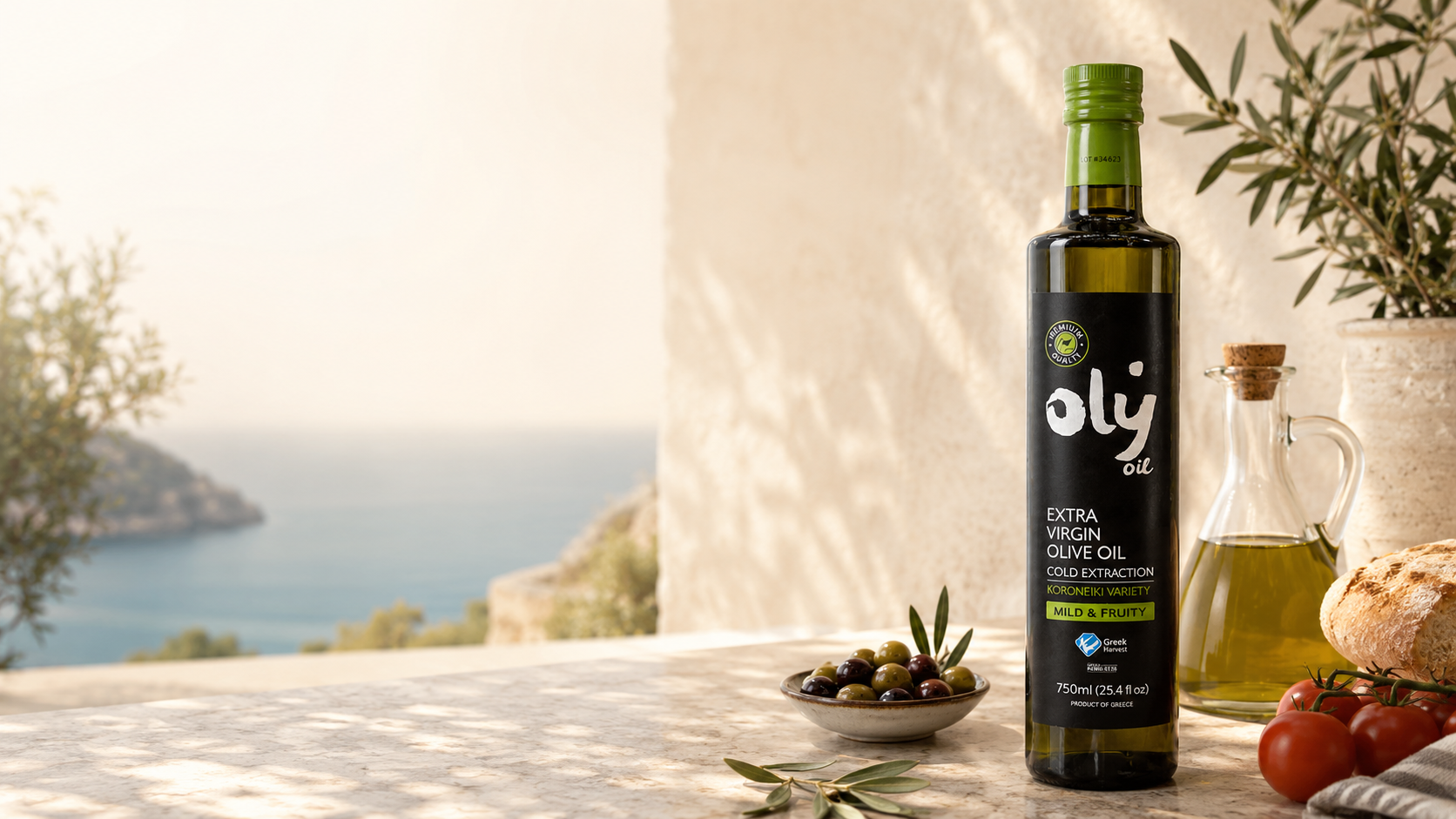
Some olive oils ask for attention the moment they hit the plate. OLY is more relaxed. Its mild, fruity character makes it easy to use generously without taking over the dish. On warm bread, it gives shine and softness. Over sliced tomatoes, it rounds out the acidity. On fish or vegetables, it adds that clean Mediterranean finish without making the plate feel heavy.
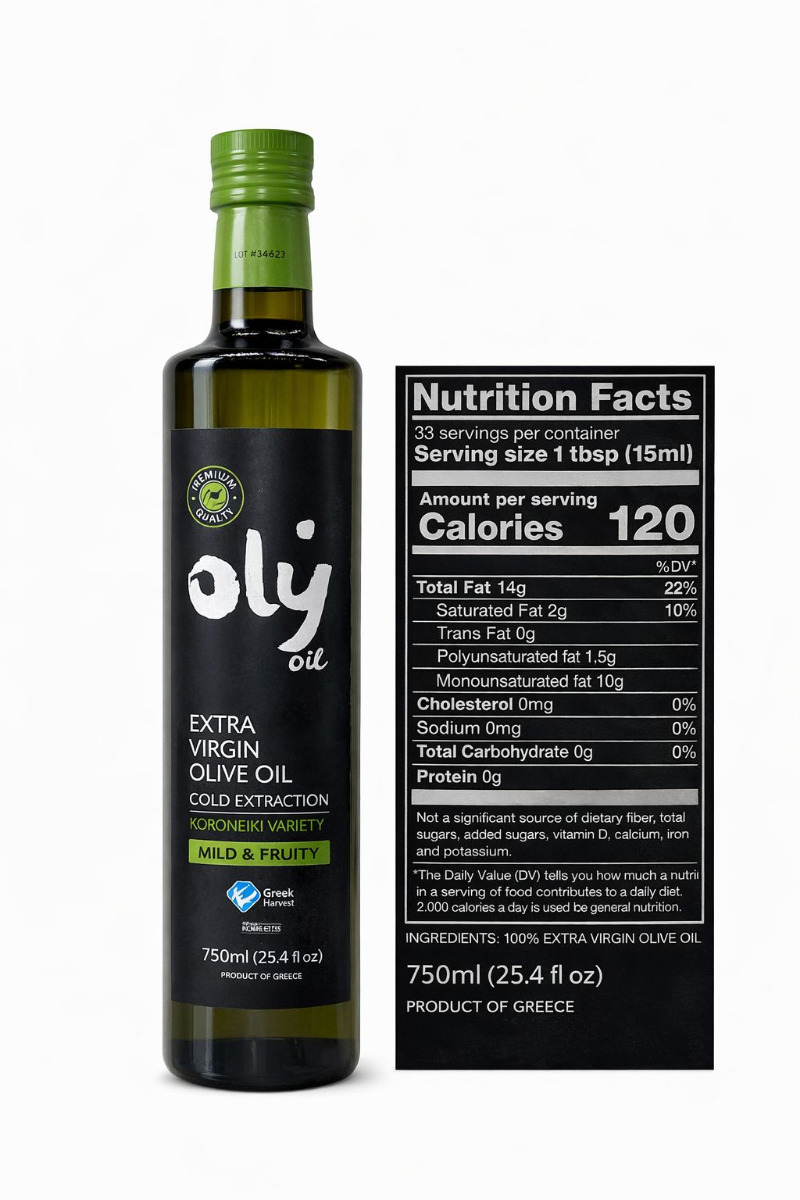
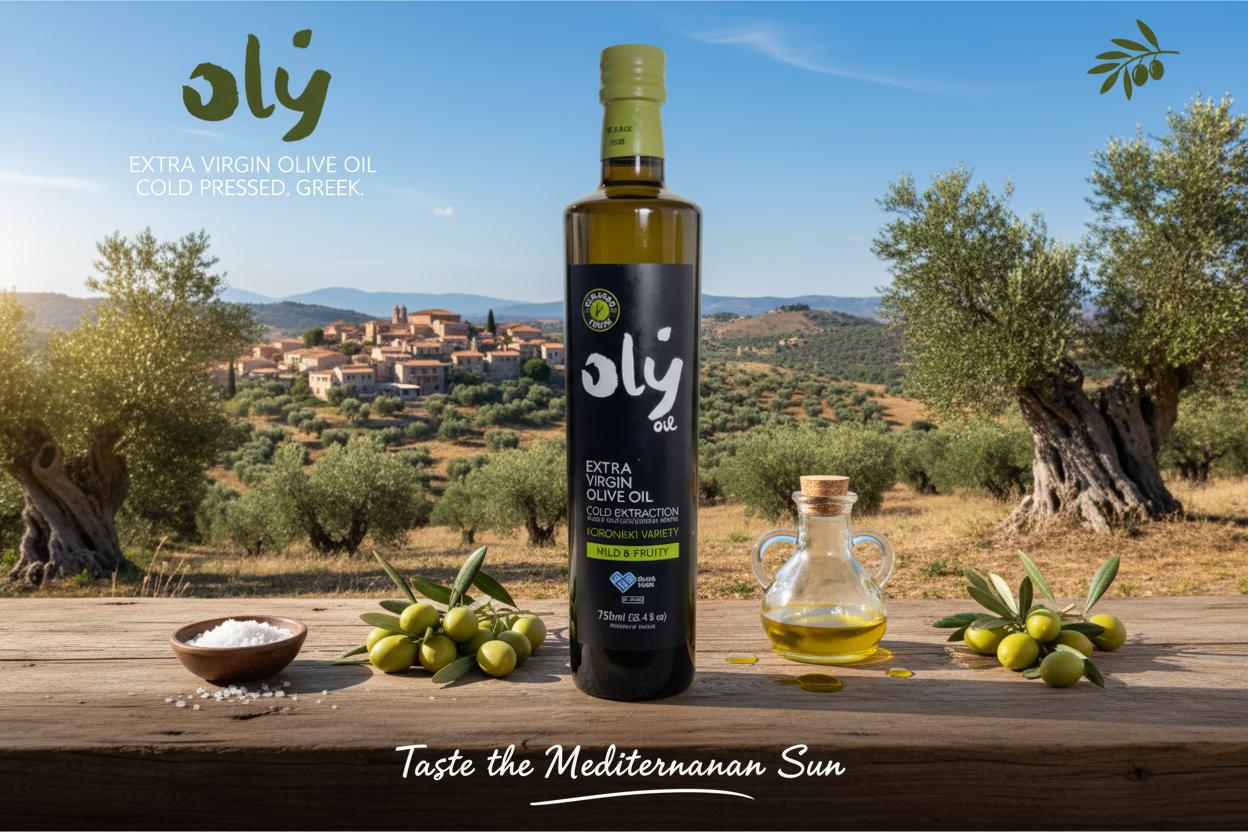
That balance is what makes it useful. OLY is made in Greece from 100% Koroneiki olives and cold extracted by mechanical means, with the olive-to-oil process kept close to harvest. In the kitchen, those details translate into a bottle that feels fresh, approachable, and practical for more than one kind of meal.
Quick Guide
- Use it first for: tomato salad, bread dipping, vegetables, pasta, grilled fish, and simple dressings.
- Expect: a mild fruity note, fresh aroma, and a smooth finish that plays well with herbs and lemon.
- Why it is flexible: Koroneiki olive oil has enough character for the table without being too intense for everyday cooking.
- Best pantry partners: Greek oregano, lemon, garlic, sea salt, black pepper, olives, and good bread.
- Storage habit: keep it away from heat and sunlight so the flavor stays clean from first pour to last.
Where OLY Really Shines
The easiest way to understand OLY is to use it in two places: once at the end of a dish, where the aroma stays visible, and once during cooking, where the oil has to support the food instead of dominating it.
As a finishing oil
Use OLY when a finished dish needs gloss, aroma, and a softer Mediterranean edge. It is especially good over tomato and cucumber salad, warm beans, grilled fish, roasted peppers, pasta, feta-style plates, and bread.
A pinch of Greek oregano, lemon zest, or sea salt is usually enough. The oil does not need a complicated sauce around it.
As an everyday cooking oil
Use it to start vegetables, coat potatoes before roasting, soften garlic, build a quick tomato sauce, or warm greens in a pan.
Keep the heat controlled and avoid smoking the oil. Then finish with a small drizzle after cooking to bring the fresh note back to the surface.
A Simple Table Test
Set out a small dish of OLY with warm bread, olives, sliced cucumber, tomatoes, and a small bowl of Greek oregano. Add lemon wedges and a little sea salt. That is enough to understand the bottle: the oil should feel smooth on the bread, bright with the tomato, and clean when it meets the herbs.
From there, the table can grow. Add grilled fish, roasted vegetables, pasta, or beans and OLY becomes the bridge between everything on the plate. It is not just a garnish; it is the ingredient that makes a simple spread feel gathered.
Pantry Pairings That Make It Better
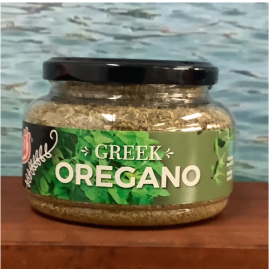
- Greek oregano: the fastest way to turn OLY into a bread dip, tomato salad dressing, or finishing oil for vegetables and fish.
- Lemon: keeps the oil bright, especially with grilled seafood, greens, potatoes, and pasta.
- Garlic: works well when softened gently in the oil for sauces, roasted vegetables, or warm bread.
- Sea salt and black pepper: simple seasoning lets the oil stay present without crowding the plate.
- Good bread: the quickest test for texture, aroma, and everyday table appeal.
For a five-minute dressing, whisk OLY with lemon juice, a pinch of oregano, salt, and pepper. Use it on tomatoes, cucumbers, greens, chickpeas, potatoes, or grilled fish. It is the kind of dressing that does not need a recipe once you have made it once.
What to Avoid
- Do not store it beside the stove. Heat and sunlight flatten olive oil. Keep the bottle in a shaded cabinet or pantry area.
- Do not overpower it with too many ingredients. OLY is at its best with simple partners: herbs, lemon, bread, vegetables, fish, and pasta.
- Do not pour before tasting. Start with a drizzle, taste, and then add more. The goal is shine and aroma, not a heavy plate.
- Do not buy more than your kitchen will use well. Choose the size that matches your cooking rhythm so the oil stays fresh and useful.
How to Choose the Right Size
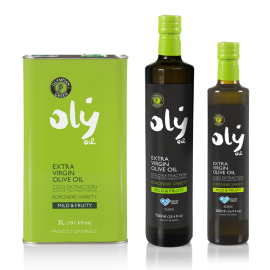
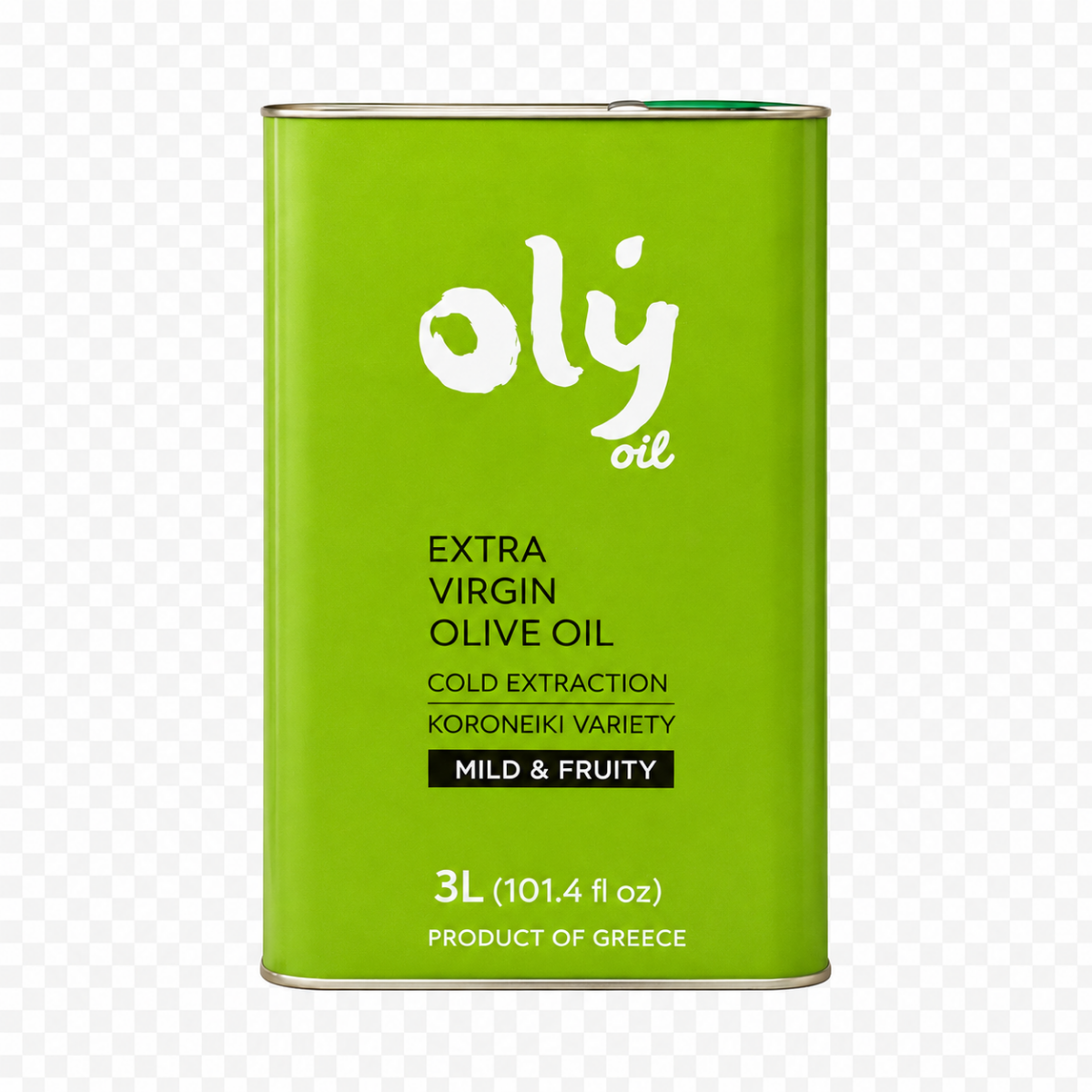
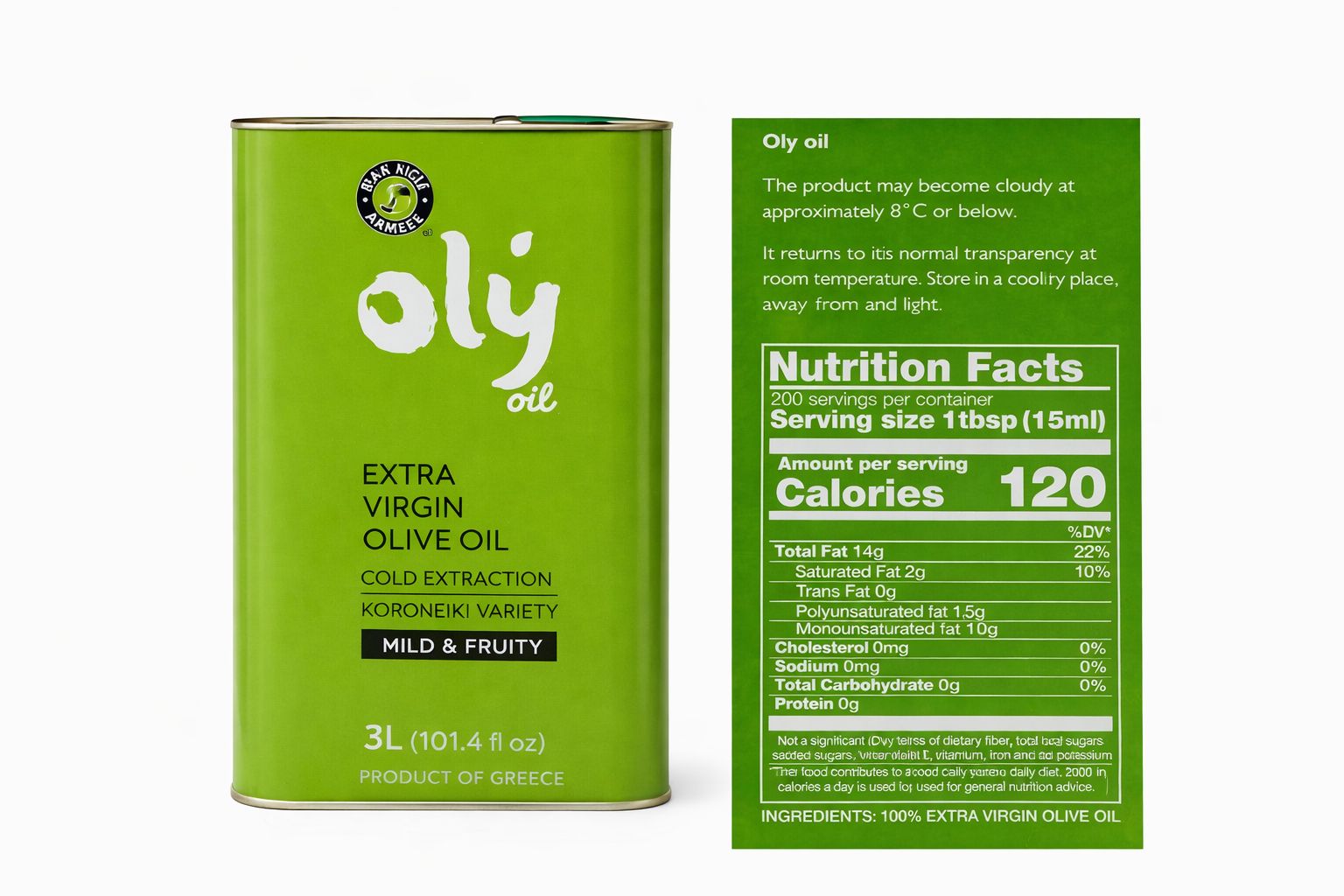
If you mostly use olive oil for salads, bread dipping, and finishing dishes, a smaller bottle is easy to keep fresh and close by. If olive oil is part of your daily cooking — vegetables, potatoes, pasta, sauces, fish, and weeknight meal prep — a larger format makes sense.
The best choice is the one you will actually use. OLY belongs in the active part of the kitchen, not the back of the cabinet. Keep it sealed, store it away from light and heat, and let it become the bottle you reach for when dinner needs one more good thing.
Best For
- The everyday Mediterranean cook who wants one olive oil for cooking, finishing, salads, vegetables, pasta, and fish.
- The mezze host who likes bread, tomatoes, olives, herbs, and simple plates that feel generous without much prep.
- The pantry builder who wants a Greek extra virgin olive oil that is flavorful but not difficult to use.
- The practical gift giver who wants to give something useful, attractive, and easy to enjoy right away.
Build the bottle-and-herb pantry
Start with OLY Greek Extra Virgin Olive Oil as the bottle for cooking, finishing, and setting out with bread. Then add Authentic Greek Oregano for the easiest table upgrade: a little herb, a little oil, a squeeze of lemon, and dinner starts to feel complete.
FAQ
Can you cook with OLY Olive Oil?
Yes. Use it for everyday Mediterranean cooking such as vegetables, potatoes, pasta, simple sauces, greens, and fish. Keep the heat controlled and avoid letting the oil smoke.
Is OLY better for finishing or cooking?
It works well for both. It is mild enough to cook with and fresh enough to finish with. For the best result, cook with it gently and add a small final drizzle before serving.
What does Koroneiki add to the bottle?
Koroneiki is a Greek olive variety that gives OLY its clear Greek olive identity. In this bottle, the result is a mild, fruity, fresh profile that suits both pantry cooking and table use.
How should I store it?
Store it at room temperature, sealed, and away from heat and sunlight. A pantry or cabinet is better than a counter beside the stove or a sunny window.
What should I pair with it first?
Start with Greek oregano, lemon, sea salt, tomatoes, warm bread, roasted vegetables, grilled fish, or pasta. Those pairings let the oil show its fresh, mild character without overcomplicating the dish.
A final note
OLY is the kind of Greek olive oil that makes simple food feel cared for. Keep it close, use it often, and let it do what a good Mediterranean pantry staple should do: bring the table together without making dinner harder.
Explore more from The Captain’s Table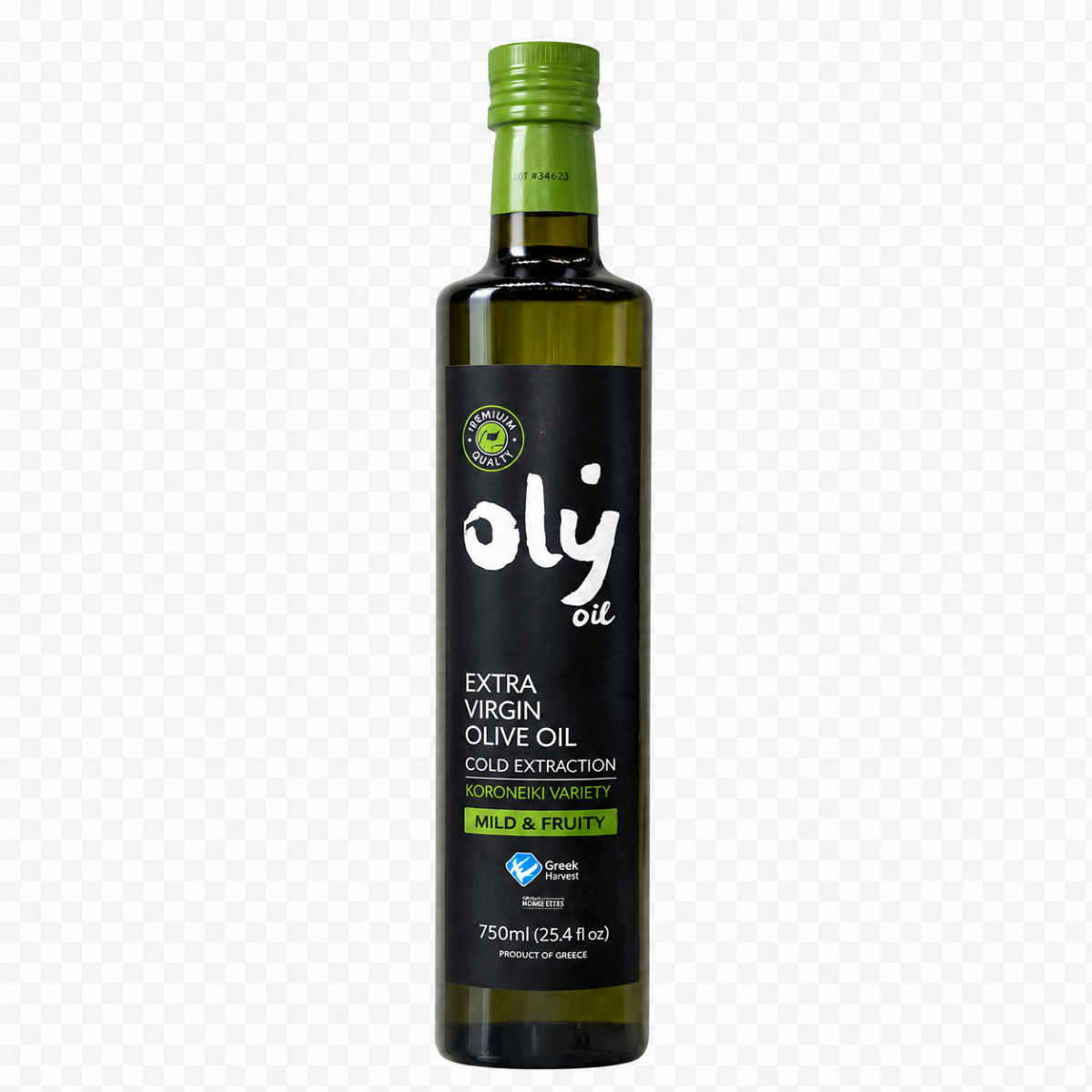

Bring this Mediterranean table home
Selected products from this guide, chosen to turn inspiration into a real pantry, ritual, or table moment.